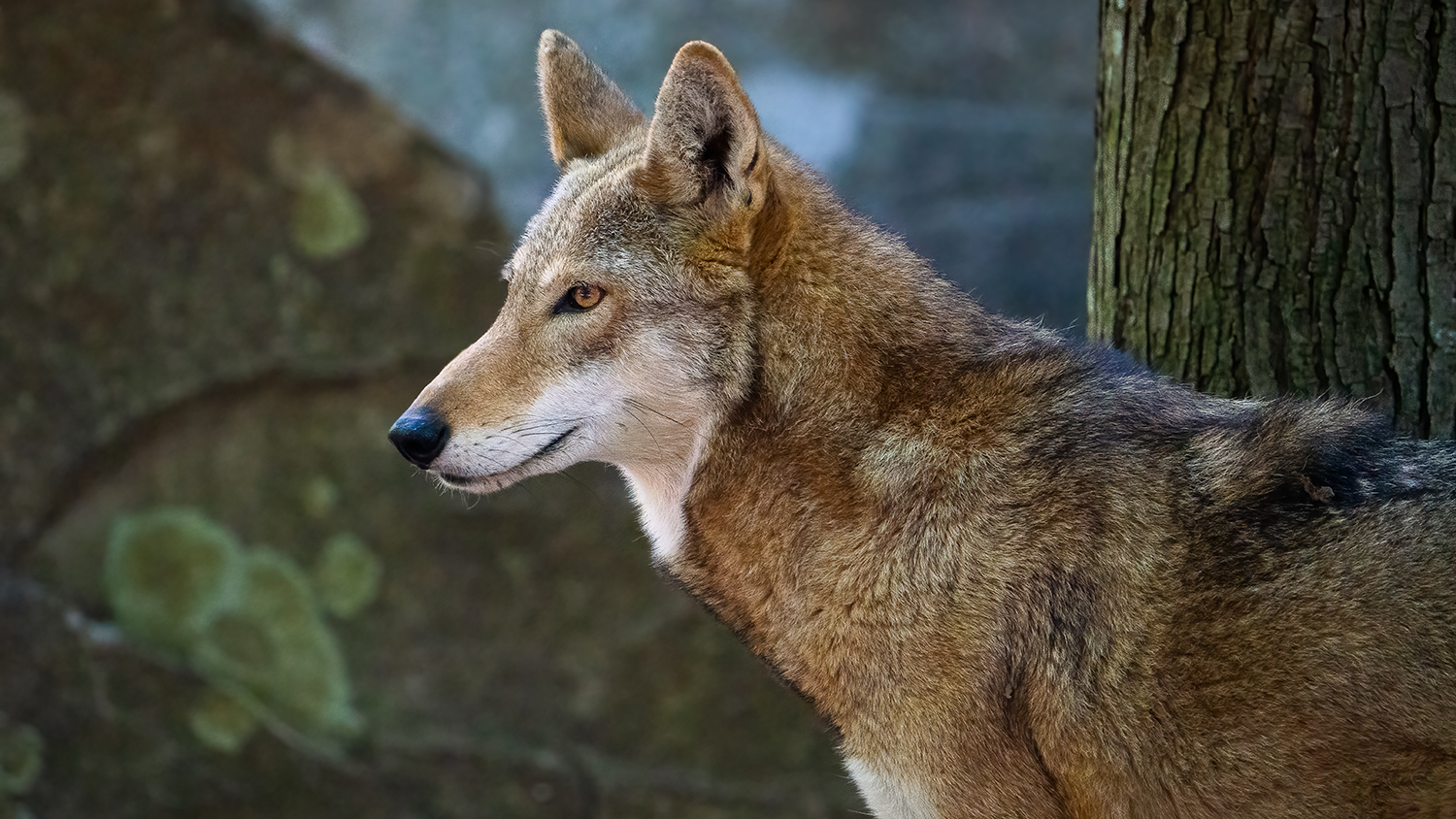
Students will utilize resources from experts/online/books about North Carolinian animals and create their own “Who Would Win?” book/Google Slides/Brochure, independently or in pairs.
Students will focus on researching the adaptations of North Carolinian animals they choose to compare.
This will be shared with a community audience, who will provide constructive feedback and provide a reference for future field trips to explore the animals and their adaptations in a local habitat.
Duration
- Mondays and Tuesdays
- 45 minutes
- 5-6 Weeks
Standards
4.L.1 Understand the effects of environmental changes, adaptations and behaviors that enable animals (including humans) to survive in changing habitats
ELA W.4.2 Write informative /explanatory texts to examine a topic and convey ideas
and information clearly.
Research W.4.5 Conduct short research projects that build knowledge through investigation of different aspects of a topic.
Driving Question
How will you assess North Carolinian animals’ strengths and weaknesses as they compete with other animals in the same habitat?
Entry Event
Activation of Prior Knowledge
Learning Lab: Animal Adaptation graphic organizer in pairs; students can use their computers to verify behavioral or structural adaptations
Student Experiment
Learning Lab: Bird Beak Experiment/Exploration: How do different bird beak adaptations affect a bird’s ability to catch and eat its food?
Public Product
Students will create a comparison of two student-chosen North Carolinian Animals and their adaptations, with a choice of creating a book, Google Slides, or brochure.
Resources and Materials
- Chromebooks: Google Classroom
- Task Log: Students write each task they work on in the log, in relation to the rubric
- Who Would Win? PBL Rubric
- Engineering Design Process
- Animal Adaptations Vocabulary
- Online North Carolinian Animals Webquest
- Bird Beak Experiment
- Text Features Posters: For Reference while researching and designing their own texts
- “Who Would Win?” Book Series: Possible Lesson Plan/ideas tailored to each book
- Student Graphic Organizer Packets for “Who Would Win?” Analysis and Book Content Online Book Creation Tools
- Critical Friends Protocol
Formative Assessment 1
Students will read a “Who Would Win?” text and identify the text feature comparisons by utilizing evidence, and providing explanations of why one adaptation is more prevalent than another in a particular habitat.
Content and skills to be assessed from the standards
4.L.1 Understand the effects of environmental changes, adaptations and behaviors that enable animals (including humans) to survive in changing habitats
- Animal Comparison Graphic Organizers
- Analyzing Text features to understand the content of the text
- Evidence From the Text
Formative Assessment 2
Choose two different animals from two separate “Who Would Win?” books that students read and compare/contrast those two animals. Justify who would win.
Content and skills to be assessed from the standards
4.L.1 Understand the effects of environmental changes, adaptations and behaviors that enable animals (including humans) to survive in changing habitats
ELA W.4.2 Write informative /explanatory texts to examine a topic and convey ideas and information clearly.
Written Justifications of why one animal’s adaptations are more suited to the habitat than another’s may be.
Formative Assessment 3
Pose a written justification for who would win against your two animals and share in a Critical Friends Protocol
Check Student Task Log for research.
Content and skills to be assessed from the standards
4.L.1 Understand the effects of environmental changes, adaptations and behaviors that enable animals (including humans) to survive in changing habitats
ELA W.4.2 Write informative /explanatory texts to examine a topic and convey ideas and information clearly.
- Peer Feedback (Communication and Collaboration) for improved product.
- Tracking Work in Task Log to meet the expectations within the Rubric.
Summative Assessment
Revised Final Product of animal research and Presentation to Stakeholders
Content and skills to be assessed from the standards
Research W.4.5 Conduct short research projects that build knowledge through investigation of different aspects of a topic.
- Communicate
- Collaborate
- Critical Thinking
- Creativity
Project Calendar: Day 1-Day 10
| Day 1 | Pre-assessment on adaptations and text features Introduce the rubric and task log |
| Day 2 | Activity 1 for Checkpoint 1Activate prior knowledge of animal adaptations Learning Lab: Animal Adaptation graphic organizer in pairs; students can use their computers to verify behavioral or structural adaptations |
| Day 3 | Activity 2 for Checkpoint 2 Learning Lab: Bird Beak Experiment/Exploration: How do different bird beak adaptations affect a bird’s ability to catch and eat its food? |
| Day 4 | Activity 3 for Checkpoint 1 Learning Lab: The Most Amazing Shark Ever! Students will read the “Who Would Win?” Ultimate Shark Rumble and focus on adaptation facts in the graphic organizer |
| Day 5 | Checkpoint 1 Students will read a “Who Would Win?” text and identify the text feature comparisons by utilizing evidence and providing explanations of why one adaptation is more prevalent than another in a particular habitat. Animal Adaptations Vocabulary: Have students choose two words they aren’t very familiar with and define, find a synonym, write a sentence, and draw a sketch. Students are expected to utilize their specific vocabulary concepts in their own comparisons to meet mastery of those concepts. |
| Day 6 | Activity 1 for Checkpoint 2 Learning Lab: T. rex vs. Velociraptor Adaptations and justification; text feature analysis |
| Day 7 | Activity 3 for Checkpoint 2Learning Lab: Killer Whale Vs. Great White Shark Adaptations and justification: text feature analysis |
| Day 8 | Activity 3 for Checkpoint 2 Learning Lab: Killer Whale Vs. Great White Shark Adaptations and justification: text feature analysis |
| Day 9 | Activity 4 for Checkpoint 2 Learning Lab: Lion Vs. Tiger Adaptations and justification: text feature analysis |
| Day 10 | Checkpoint 2: Choose two different animals from two separate “Who Would Win?” books that we read this week and compare/contrast those two animals. Justify who would win. |
Project Calendar: Day 11-Day 21
| Day 11 | Activity 1 for Checkpoint 3 Learning Lab: Students will participate in a text feature scavenger hunt in a “Who Would Win?’ text of their choice. |
| Day 12 | Activity 2 for Checkpoint 3 Learning Lab: Students will complete a webquest around North Carolinian Animals and choose two to research for their final product |
| Day 13 | Activity 3 for Checkpoint 3 Learning Lab: Students will research Animal #1 and complete graphic organizers to organize their thoughts. |
| Day 14 | Activity 4 for Checkpoint 3 Learning Lab: Students will research Animal #2 and complete graphic organizers to organize their thoughts. |
| Day 15 | Checkpoint 3: Justify who would win against your two animals and share in a Critical Friends Protocol Check Student Task Log |
| Day 16 | Activity 1 for Checkpoint 4 Student Work: Students begin final product; choice of brochure, digital slides, or physical book |
| Day 17 | Activity 2 for Checkpoint 4 Student Work: Continue With Final Product |
| Day 18 | Activity 3 for Checkpoint 4 Student Work: Continue With Final Product |
| Day 19 | Activity 4 for Checkpoint 4 Critical Friends Protocol Generate Questions for Stakeholders |
| Day 20 | Activity 5 for Checkpoint 4Student Work: Edit and Revise Final ProductPractice Presentation of Final Product |
| Day 21 | Checkpoint 4Present to StakeholdersDiscuss and implement feedback from Stakeholders |
Notes
- Check with students for grouping. Although independent work is accepted, group/pair work is encouraged.
- In the planning stage, students will collect their information using graphic organizers, provided in packet form. Let students know that graphic organizers are a tool, and don’t limit our brainstorming/thought process. If there is an item on the graphic organizer that doesn’t resonate with their project, students
have the opportunity to change it to another feature or remove it entirely.