2026 Fall Institute gives Kenan Fellows teacher-led PD on leadership and student engagement
Alumni-led sessions on feedback, data literacy and leadership offered teachers new ways to engage students
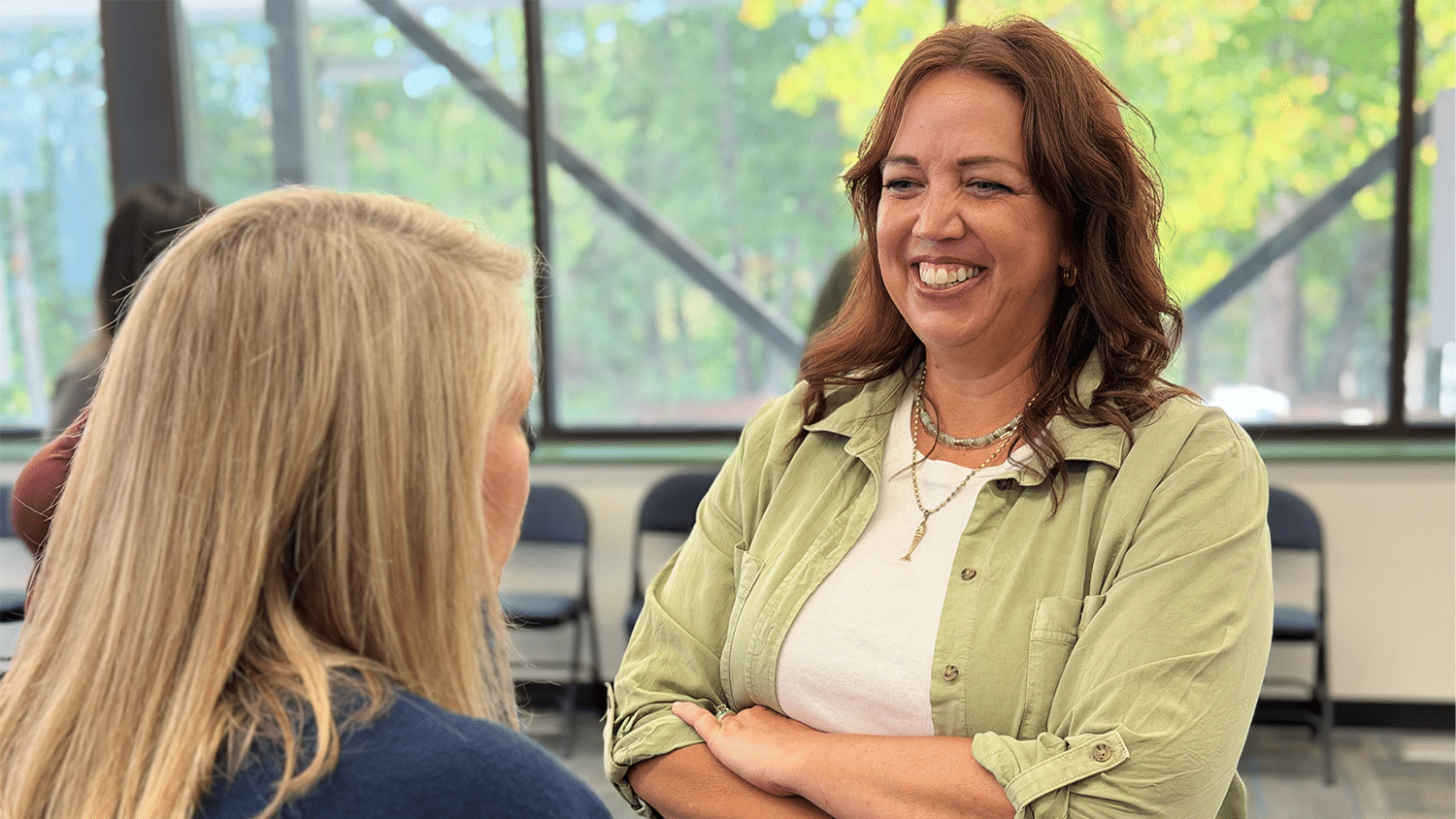
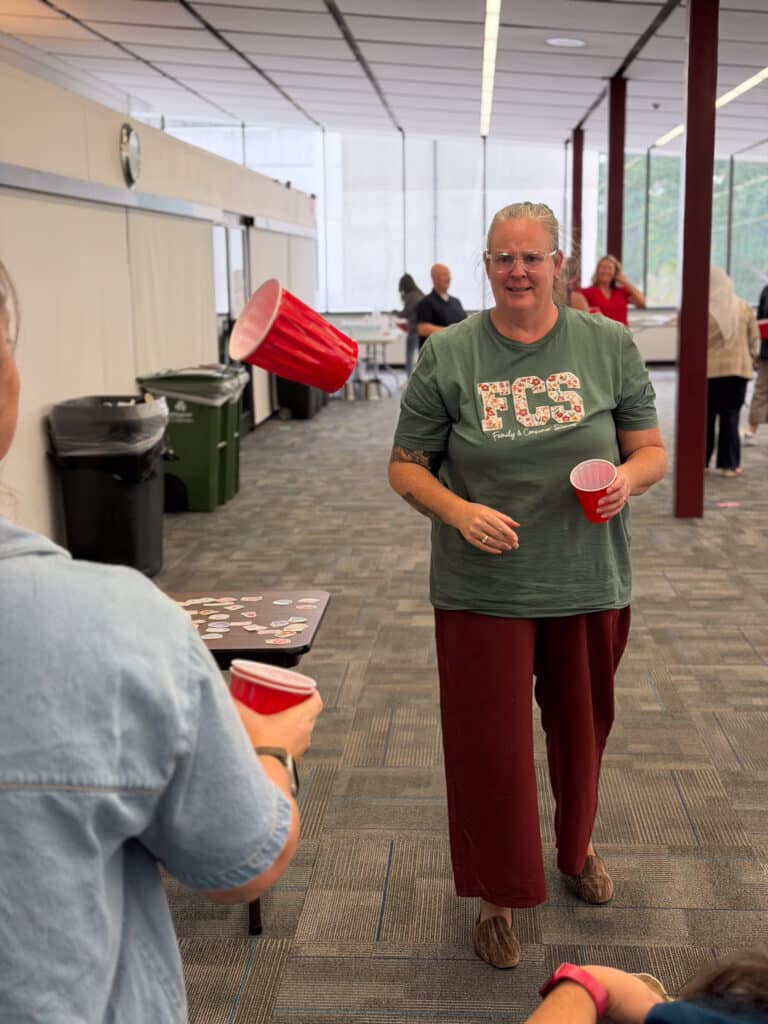
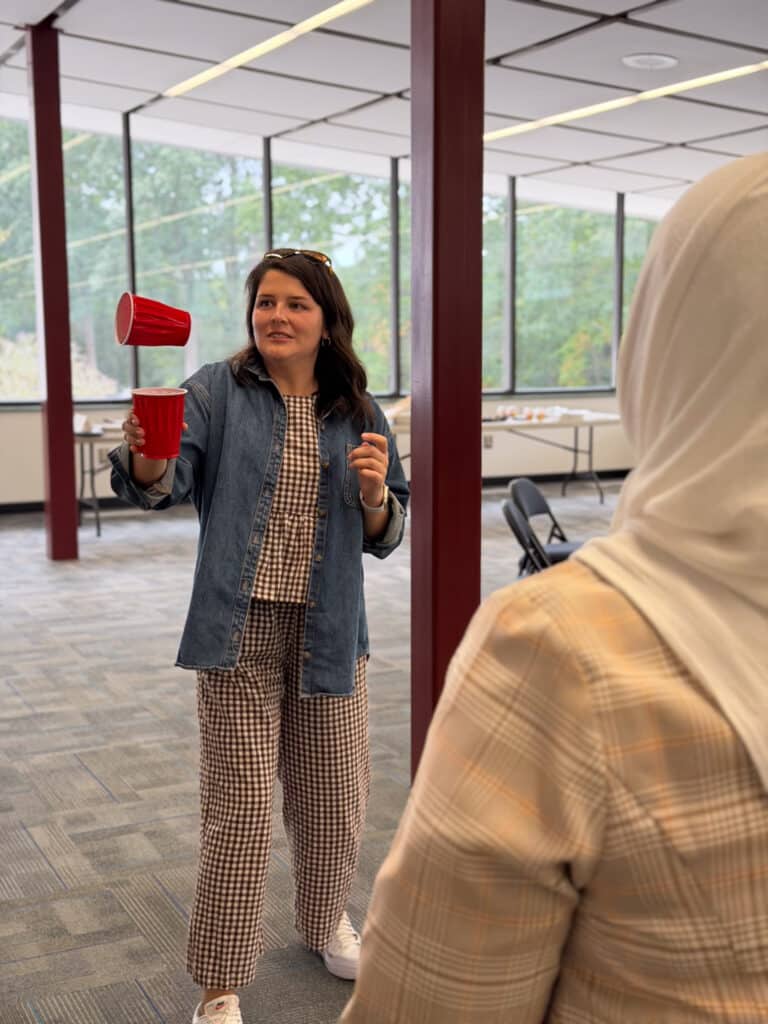
RALEIGH, N.C. — Pairs of teachers took turns tossing plastic cups, trying to land one inside another. Another team watched, took notes and offered feedback after each attempt. When a team nailed it, the room cheered.
The exercise was the heart of “Creating a Culture of Feedback,” a session led by Paul Cancellieri, a 2012 Kenan Fellow and middle school science teacher in Wake County. He designed the session to give teachers practice offering feedback that is specific, empowering and actionable. It’s the same kind of feedback he uses in his classroom, paired with regular opportunities for reflection, to turn students into active learners.
Cancellieri’s session was especially powerful, said 2026-27 Kenan Fellow Breanna Morris, an elementary art teacher in Transylvania County Schools.
“I learned how to improve giving feedback to my students in a more productive way, which is always something I am consistently trying to improve upon,” she said.
Teacher-Led Professional Development
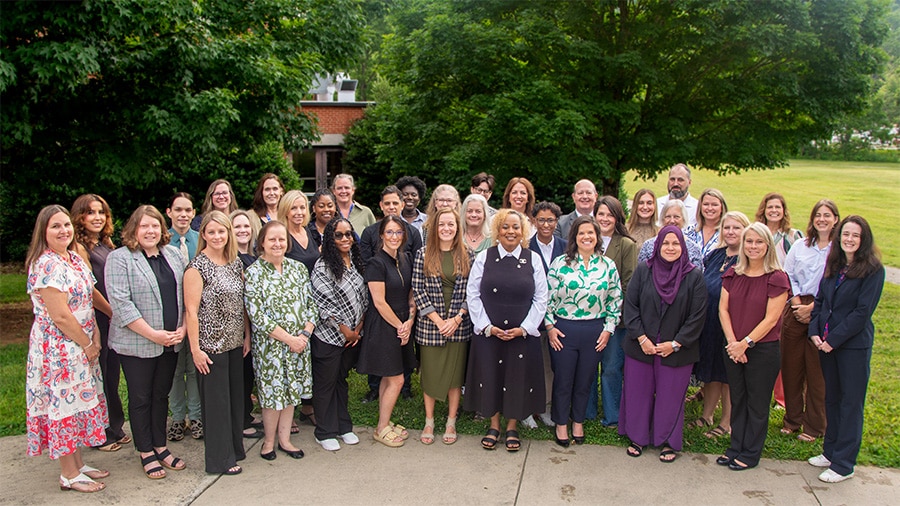
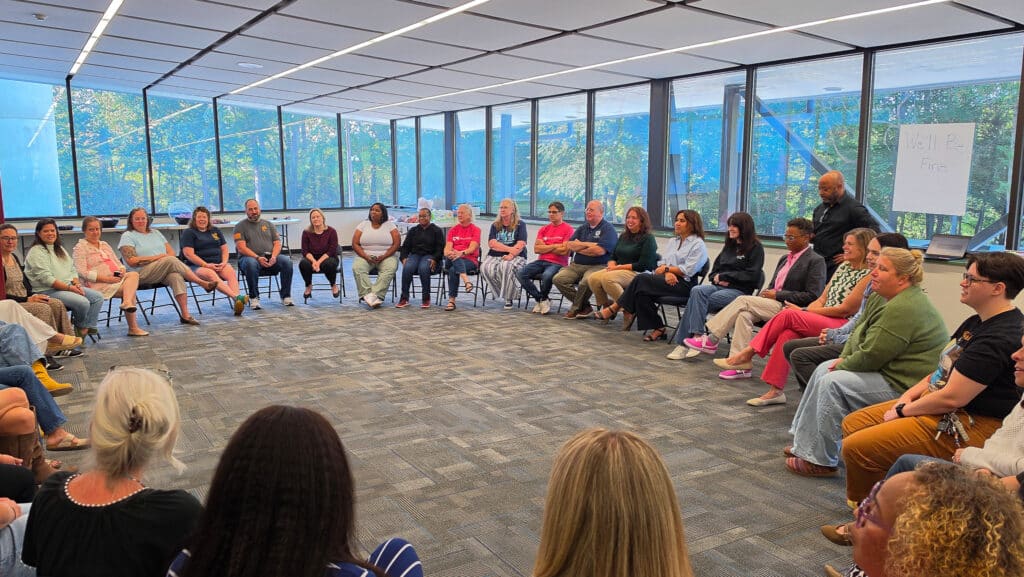
The session was part of the Fall Institute, Oct. 8-9, at the N.C. Farm Bureau campus in Raleigh. The institute brought the 2026-27 Kenan Fellows together for the first time since June for their second residential professional development institute.
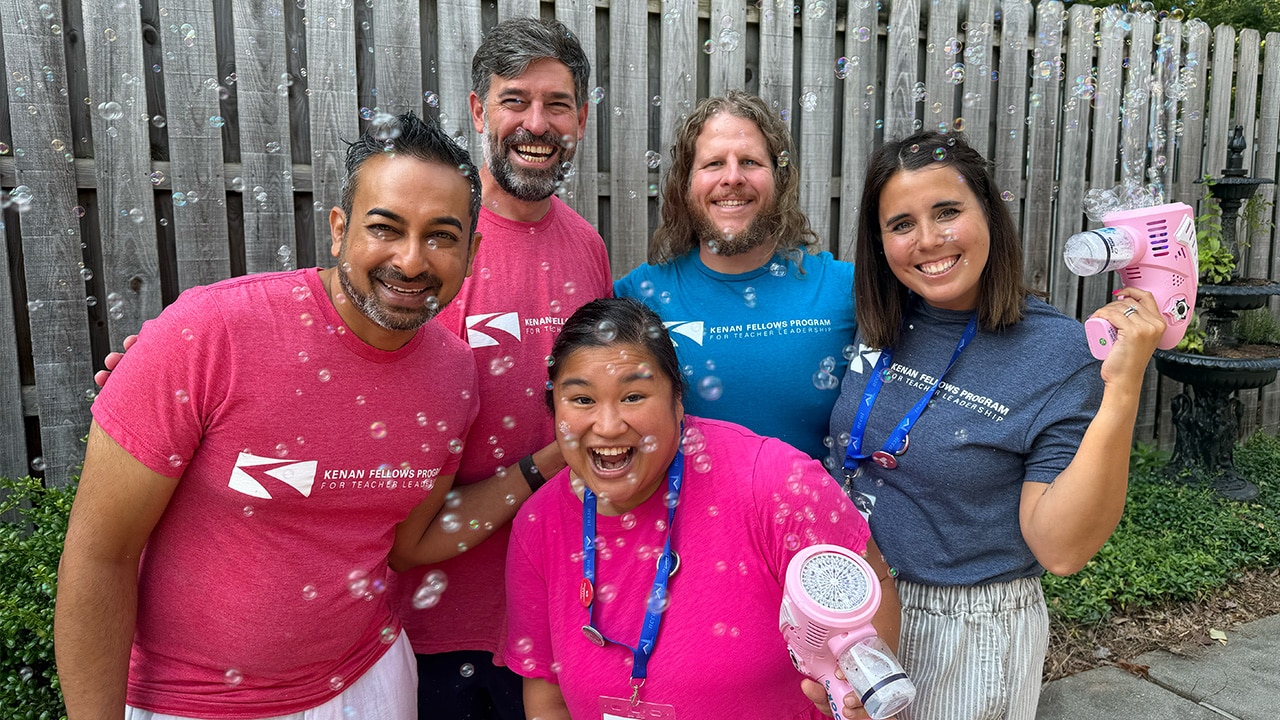
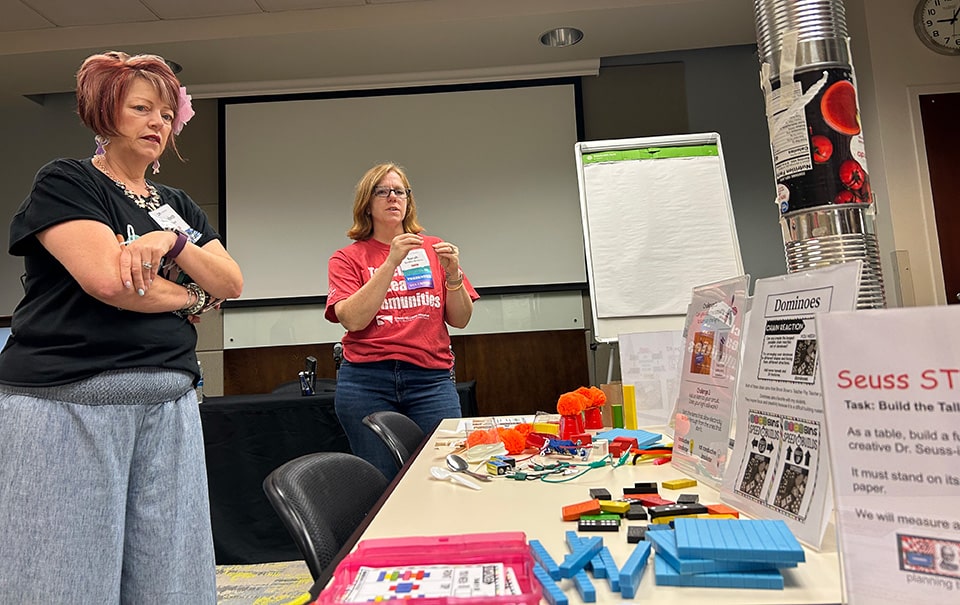
As at the Summer Institute in the Western North Carolina mountains, the Fall Institute was teacher-led professional development: every session was designed and led by alumni of the Kenan Fellows Program. The sessions focused on student engagement, building a positive school culture and developing Fellows’ leadership skills.
On the first day, Jaime Lathan, Ph.D., vice chancellor for extended learning at the N.C. School of Science and Mathematics, and Keith Burgess, Ph.D., a middle school science teacher in Charlotte, led a session on student-centered teaching. Both Lathan and Burgess are 2019-20 Kenan Fellows.
During their session, participants worked together to redesign a lesson or unit and to respond to case studies and scenarios. Lathan later led a book study that gave Fellows time to reflect on texts ordered during the Summer Institute.
Andromeda Crowell, a 2016-17 Kenan Fellow and high school science teacher in Orange County, led a hands-on session on data literacy through science and history. Participants explored resources for designing interdisciplinary modules in which students analyze data.
Leadership That Travels From Classroom to Classroom
Beth Campbell, a 2016-17 Kenan Fellow and Wake County teacher, led a session, “Your Leadership Path,” built on the idea that “teacher” and “leader” are not divergent paths. She asked the Fellows to reflect on their current leadership work and define their path forward.
On the second day, Fellows’ industry mentors and partners visited and offered feedback on the Fellows’ capstone projects, which grew out of their summer industry immersions.
Nika Johnson, a current Kenan Fellow and health science teacher at West Craven High School in Craven County Schools, called the institute “a refreshing and meaningful experience that provided an opportunity to reconnect with fellow educators, reflect on the progress of the school year, and exchange valuable experiences.”
But her biggest takeaway reached beyond her own classroom.
“Classroom culture does not operate independently of school culture,” Johnson said. “When educators are aligned in their understanding and implementation of expectations, we create a more consistent and supportive learning environment for students.”