NC Education Policy 101: A Guide for New Teachers
Kenan Fellow alum gives new teachers a primer on education policy
NC Education Policy 101: A Guide for New Teachers
Jessie Odom spent four years as an NC State Teaching Fellow without a clear picture of what education policy meant for her future classroom.
Today, she’s a National Board Certified English teacher in Durham Public Schools. In 2023–24, she was a Kenan Fellow, an experience she calls her “most profound professional development,” and an Education Policy Fellow with the Public School Forum of North Carolina.
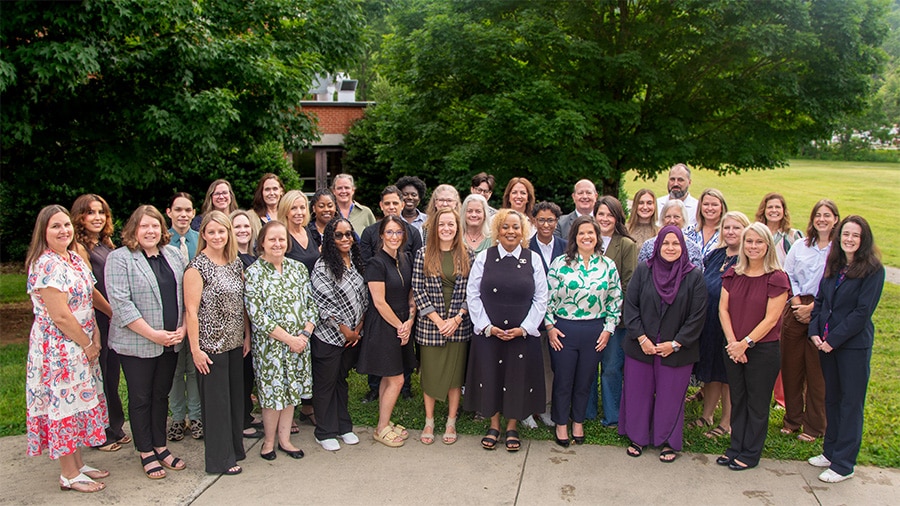
On Oct. 14, she returned to the Kenan Fellows Program for Teacher Leadership to lead a session on education policy as part of Not Your Average PD’s fall series. Odom’s session was specifically for students in the current class of NC State Teaching Fellows.
At the start of the session, she polled participants on which level of government that they predicted would shape their daily work and their future school districts the most. No one chose federal.
Odom emphasized that all of them matter.
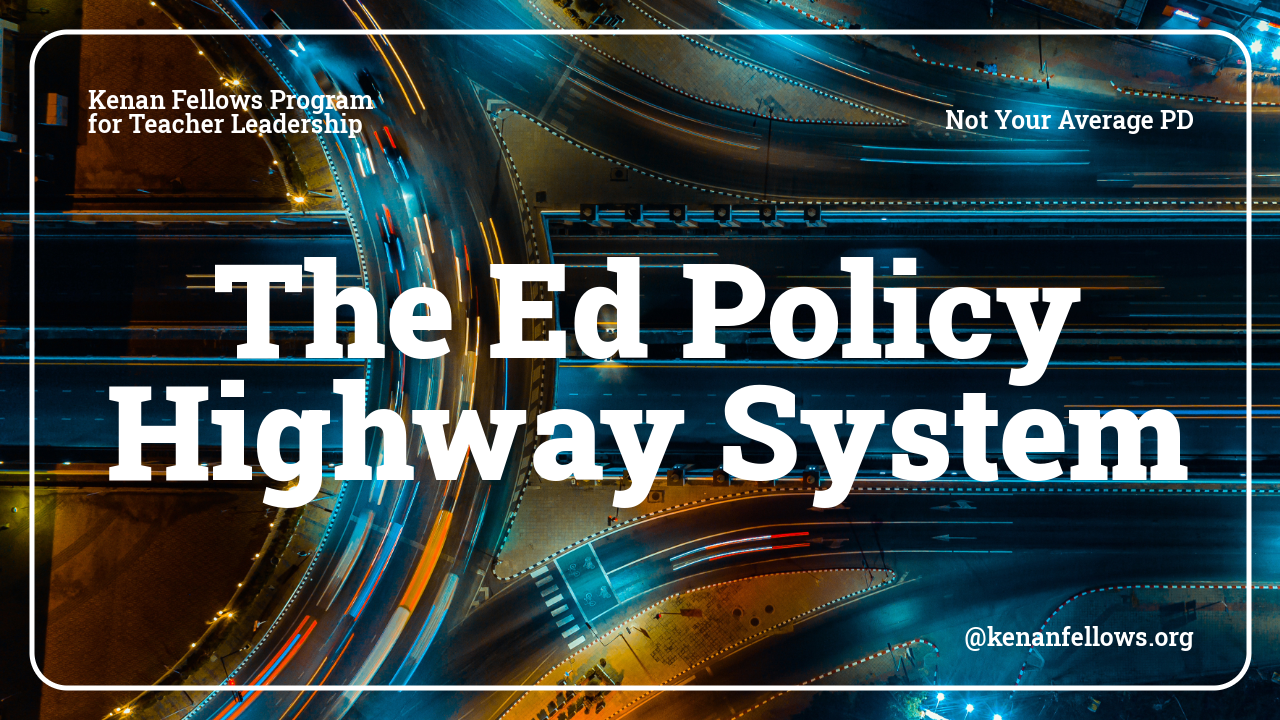
During the session, she compared North Carolina’s education system to a highway system. Federal law is the interstate, running through every state and district. Your classroom is the driveway. Every road in between, from state highways to county routes and city streets, connects the two.
Here’s what Odom wants every new North Carolina teacher to know.
How does federal policy affect NC teachers?
Congress writes the laws that apply to every public school in the country. That includes Title I, which sends extra support to schools serving students from low-income families. It also includes Title III, which funds services for English learners, and the federal laws that govern IEPs (Individualized Education Plans) and special education.
The reach is wider than most new teachers expect. In North Carolina, all 117 school districts receive Title I funding. About half of the state’s public schools receive it, according to figures Odom shared. More than 200,000 North Carolina students have IEPs, according to Public Schools First. The News & Observer reports that roughly 160,000 receive Title III services.
Federal law sets the rules, but states and districts decide how to carry them out. That’s why the same law can look different from one district to the next.
Who sets teacher pay in North Carolina?
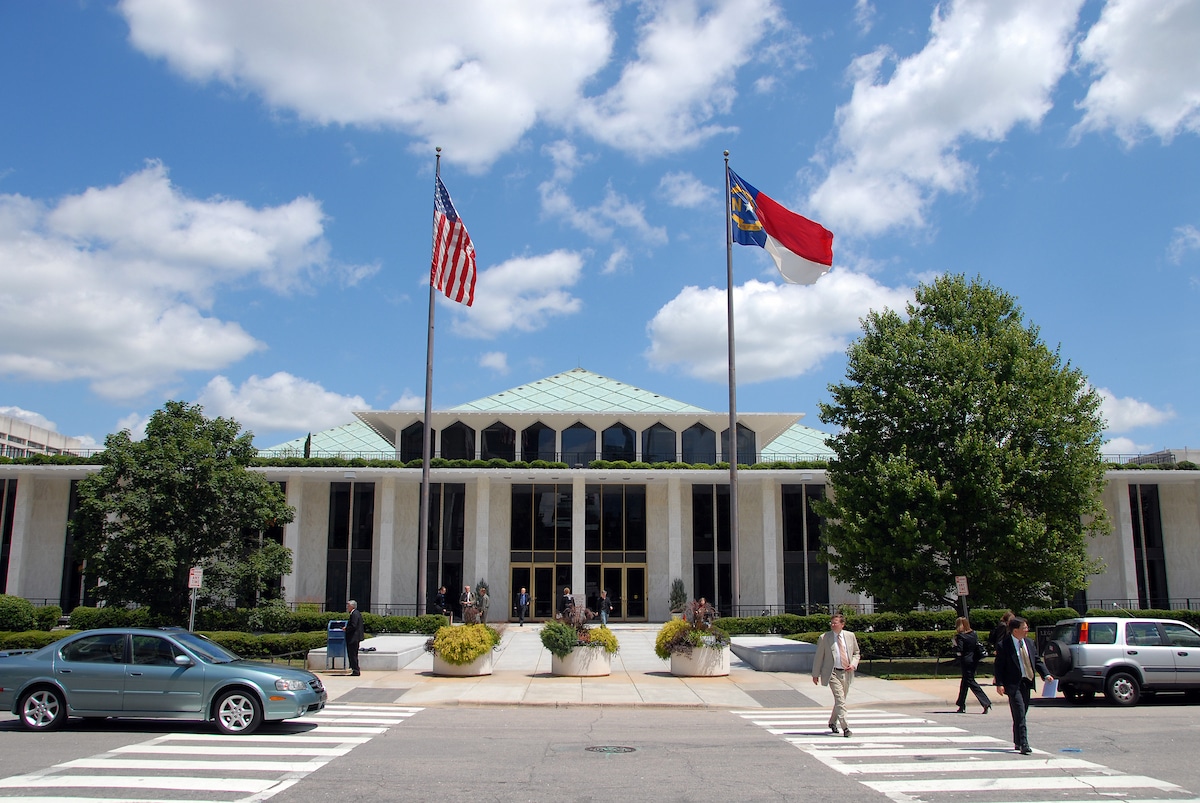
The N.C. General Assembly does. Its 120 House members and 50 Senators write the state’s education laws and pass the budget that funds schools, including the statewide teacher salary schedule. These 170 elected officials pass laws that impact the 1.5 million public school students in NC.
The General Assembly also decides:
- Class sizes, especially in elementary grades
- Cellphone restrictions in schools
- Paid parental leave for school personnel
- Teacher licensure rules
- School vouchers and charter schools
The N.C. Supreme Court plays a role too. The state constitution guarantees every child the right to a sound basic education.
What does the NC State Board of Education do?
The General Assembly passes the laws. The State Board of Education and the N.C. Department of Public Instruction (NCDPI) determine how to make them work in schools.
The Governor appoints 11 of the board’s members to eight-year overlapping terms. The elected state superintendent, lieutenant governor and treasurer also sit on the board. The N.C. Teacher of the Year and student advisers bring classroom and student voices to the table.
Together, the State Board of Education and NCDPI:
- Process your teaching license and renewals
- Set the Standard Course of Study
- Run state exams and publish school report card grades
- Oversee the framework your principal uses to evaluate you
- Distribute federal and state funding to districts
Who decides your local supplement?
This was one of the biggest surprises for the future teachers in the session. Your county commissioners decide how much of your paycheck comes from local money.
The state sets the base salary. Most districts add a local supplement on top. That supplement can turn a $48,000 salary into $55,000 for a first-year teacher, depending on where you teach.
Here’s how the money moves:
1. The district superintendent builds a budget proposal and presents it to the school board.
2. The school board takes its request to the county commissioners.
3. The commissioners collect local taxes and decide how much goes to local schools.
The result varies widely. Local per-student spending depends on each county’s tax base and priorities. As an example, coastal counties with high property values can often spend more per student.
School boards also hire the superintendent, set the district calendar and write policies on student conduct, technology use and employee expectations. You vote for both school board members and county commissioners.
How much control does a school have over policy?
At the school level, policy meets culture. Two schools 10 miles apart in the same district can feel completely different, and the principal is usually why.
Principals and their leadership teams work within district rules, but they control a lot of daily life: how departments plan, who takes on extra duties and whether teachers can work remotely on teacher workdays.
Then there’s your classroom.
How can new teachers influence education policy?
When a future teacher asked how to fight for higher salaries, Odom’s answer was direct: “Vote, and get your teacher friends to vote, too. Almost every decision traces back to the ballot box.”
- Find your N.C. House, N.C. Senate and U.S. House members at ncleg.gov/FindYourLegislators
- Check your voter registration and preview your sample ballot at vt.ncsbe.gov
- Research the candidates and the three statewide referendums before you go
Want to go deeper? The Public School Forum of North Carolina’s Education Policy Primer archive is a nonpartisan guide that covers ed policy in more detail.
- Categories: